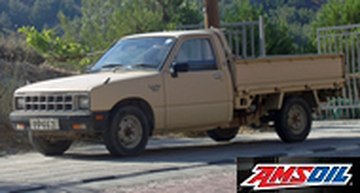
Lubrication Maintenance for the 1982 Isuzu PICKUP 1.8L
Maintaining a vehicle from the early 1980s requires a proactive approach to fluid management and mechanical inspection. For the 1982 Isuzu PICKUP equipped with the 1.8L engine, consistent attention to lubrication is a fundamental aspect of long-term ownership. Because older engines may exhibit different sealing characteristics than modern vehicles, understanding how to monitor and respond to changes in lubricant condition is essential for effective service.
Monitoring Fluid Integrity and Potential Leaks
One of the most practical aspects of maintaining an older engine is performing regular visual inspections for fluid integrity. Over time, various gaskets and seals may undergo changes due to heat cycles and age. It is useful to inspect the area around the engine block and sealing surfaces for any signs of seepage or active leakage.
When conducting these checks, look for:
- Dampness or residue on the exterior of the engine components.
- Accumulations of grime that may indicate a slow seep from a gasket or seal.
- Puddles or spots on the ground beneath where the vehicle is parked.
If you notice any changes in how much lubricant the engine seems to use, or if you observe unexpected fluid patterns, these should be investigated. It is important to remember that a single symptom, such as an odor or a spot on the driveway, can be associated with several different causes. A thorough inspection of all accessible areas helps establish whether a leak is a minor seepage or requires more immediate attention.
Managing Engine Lubricant Condition
The quality of the oil in your 1982 Isuzu PICKUP 1.8L directly impacts how smoothly the engine operates. As lubricant ages, it can undergo chemical changes and accumulate contaminants. Monitoring the appearance of the oil is a simple way to gauge its current state. For example, if the oil appears excessively dark or contains visible particles, it may indicate that the service interval has been exceeded or that there is significant internal contamination.
Some owners choose to use high-mileage formulations when managing aging engines. These specific oil types often contain seal-conditioning additives designed to help maintain the integrity of various engine seals. While these additives are intended to assist with aging components, they are not a substitute for addressing active mechanical issues or significant leaks.
Beyond the chemical state of the oil, it is also beneficial to inspect other related components during service. If equipped, check any accessible drive belts for signs of wear such as cracking, glazing, or fraying. Similarly, if present, inspecting hoses for softness, swelling, or cracks can prevent secondary issues that might affect engine temperature and, by extension, the stability of your lubricant.
Establishing a Maintenance Baseline
For many owners of a 1982 Isuzu PICKUP, the vehicle may have a complex service history involving multiple previous owners. Without a complete set of maintenance records, establishing a baseline is a priority. This involves performing a comprehensive inspection to determine the current condition of all vital fluids and components.
If you are unsure of when the last oil change or filter replacement occurred, treating the vehicle as if it is due for service is a prudent starting point. Once a consistent maintenance routine is established, you can begin keeping your own detailed records. Documenting the dates, mileage, and specific products used—such as the type of oil and filter installed—allows you to track patterns in consumption or leakage over time. This data becomes invaluable when deciding whether a change in engine behavior is a new development or a long-standing characteristic.
Prioritizing Service Tasks Based on Condition
As vehicles age, maintenance priorities often shift from purely preventive tasks to condition-based monitoring. Rather than following a rigid schedule based solely on the age of the vehicle, it is more effective to prioritize tasks based on what you observe during routine inspections.
If you identify an active leak or notice a change in how the engine sounds or performs, these issues should take precedence over general maintenance. Addressing small seeps before they become significant leaks can prevent larger mechanical complications. Furthermore, if your records show that certain components have not been inspected in a long time, such as the air filtration system or electrical connections, these should be integrated into your next service visit.
Distinguishing between necessary repairs and unnecessary parts replacement is key to efficient ownership. A component that shows minor surface wear may only require cleaning or monitoring, whereas a component showing significant deterioration requires attention. By focusing on the actual condition of the 1.8L engine and its supporting systems, you can manage maintenance costs while ensuring the vehicle remains reliable.
Observing Potential Warning Signs
Being attentive to how your Isuzu PICKUP behaves during operation can provide early warnings regarding lubrication or cooling issues. While many symptoms are not definitive proof of a specific failure, they serve as important indicators that an inspection is warranted.
Keep an eye out for the following:
- Changes in the color or consistency of the engine oil on the dipstick.
- Unusual mechanical noises that occur during startup or while idling.
- The appearance of warning lights on the dashboard related to engine operation.
- Any evidence of overheating, such as temperature gauge fluctuations.
If you notice any of these signs, it is important to investigate the cause rather than assuming a specific part has failed. For instance, an unusual noise might be related to many different components, and a change in oil appearance could be due to various factors ranging from extreme operating conditions to improper lubricant selection. Prompt investigation helps prevent minor issues from escalating into more serious mechanical problems.
Practical Advice for Buying Engine Oil for the 1982 Isuzu PICKUP 1.8L
When you are ready to replenish your engine's lubrication, it is vital to select a product that matches the specific requirements of your application. To ensure the best results for your 1982 Isuzu PICKUP 1.8L, match the engine oil to the application-specific viscosity information already displayed on this page.
Before making a purchase, always check the product labeling to verify that the oil meets the appropriate API service classifications. Depending on your specific needs and the current condition of your engine, you may choose between conventional oils, synthetic blends, or full synthetic formulations. If you are managing an engine with higher mileage, you might consider high-mileage formulations that include seal-conditioning additives. Always prioritize the viscosity and quality standards listed in your vehicle's application information to ensure proper protection and performance.